Get Marketing Insights First
Subscribe to receive actionable strategies, growth tips, and industry insights delivered straight to your inbox.

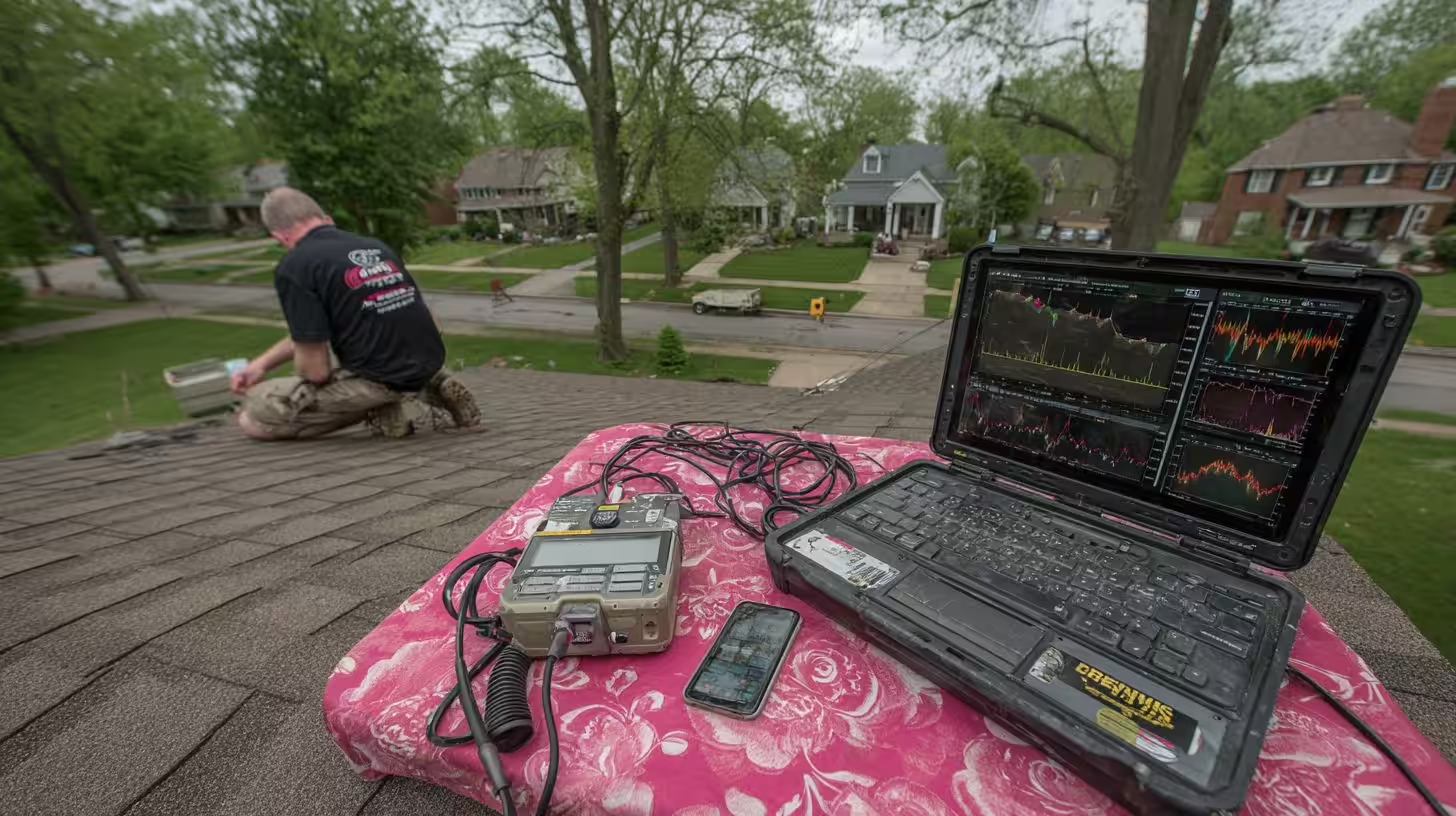
A burst pipe at 2 a.m. does not wait for a marketing funnel. Roofing and HVAC buyers arrive with urgent, seasonal, high-ticket jobs, and they pick from the first few local names they trust.
This guide breaks down how those searches actually happen, from the Map Pack and service-area pages to quote-ready landing pages, paid campaigns, and call tracking. You will also see how an Ottawa growth audit from Ivory Circuit reviews what you already have and what is worth fixing first.
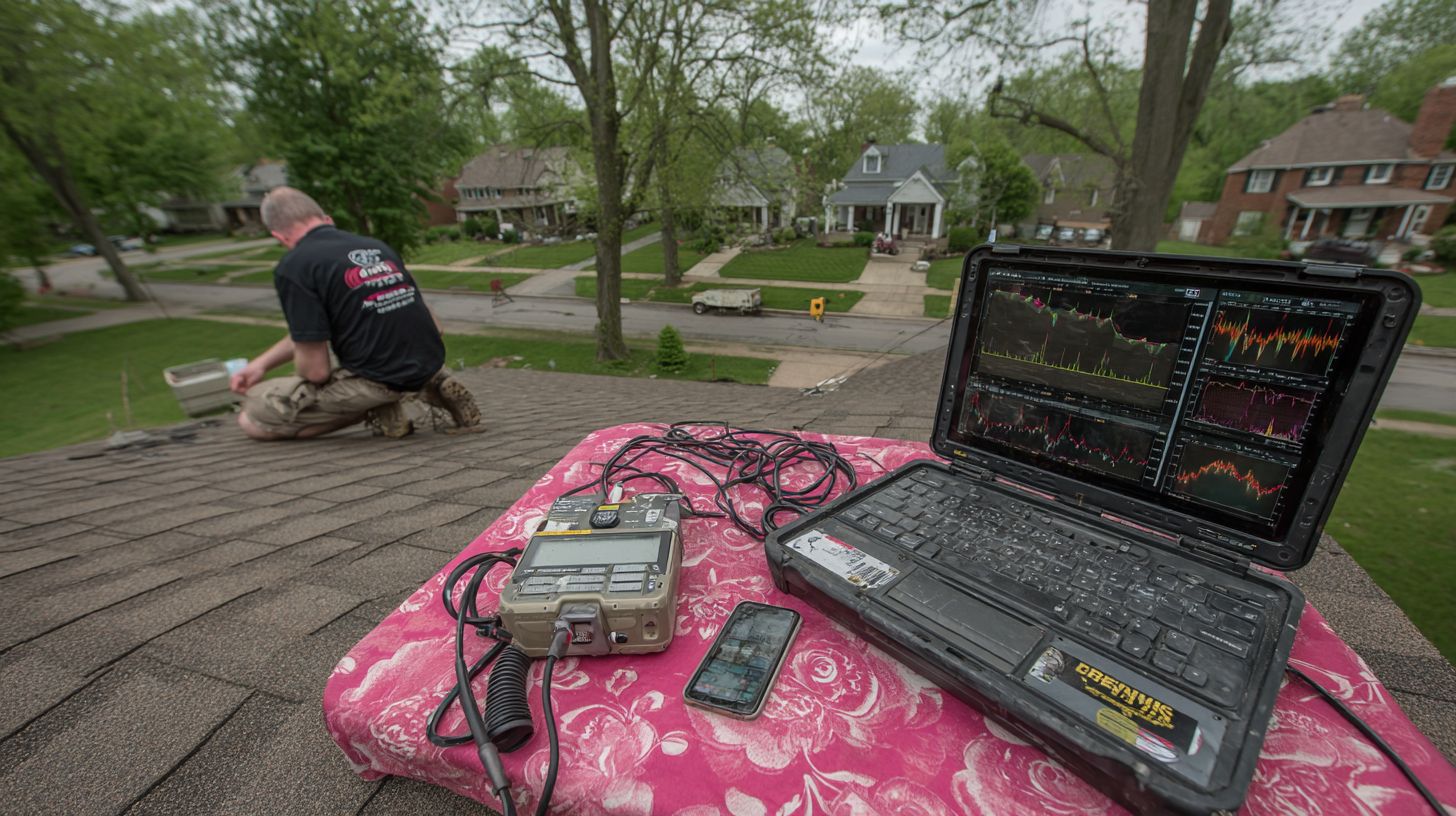
Roofing and HVAC marketing operates under unique pressures that general digital marketing strategies often overlook. A software company can run one campaign all year and see steady returns. A roofing or HVAC business cannot.
These trades sit at the intersection of high-ticket purchases, emergency demand, and sharp seasonal swings. A homeowner rarely shops for a new roof or furnace the way they shop for a phone case.
Generic playbooks built for e-commerce or SaaS miss this reality. They assume a casual buyer, a short decision window, and consistent demand. None of those assumptions hold here.
Instead, roofing companies and HVAC contractors need campaigns tuned to how and when customers actually search. That means prioritizing visibility during peak moments, making contact frictionless, and earning trust for purchases that can run into thousands of dollars.
The following sections break down the three forces that shape this market and what they mean for your digital marketing strategy.
When a homeowner’s furnace fails in January or a roof leaks after a storm, they need immediate solutions, not a lengthy sales process. This is the urgency factor, and it changes everything about how you market.
An emergency searcher is not comparing brands for weeks. They are typing “emergency HVAC repair near me” and calling the first credible result. If your business does not appear in that moment, the job goes to a competitor.
Seasonality adds another layer. Roofing demand often spikes after storm seasons, while HVAC splits between summer cooling calls and winter heating emergencies. Marketing budgets and messaging need to shift with these peaks rather than staying flat year-round.
Then there is the high-ticket decision. A full roof replacement or new AC installation is a major purchase. Homeowners research, read online reviews, and hesitate. Winning that job requires more than a single ad click.
Here is how these three drivers shape your approach:
Because big purchases need nurturing, follow-up matters. Email marketing and marketing automation can keep your company top of mind while a homeowner weighs a costly installation.
Local SEO and a strong Google Business Profile help you show up when urgency strikes. Conversion rate optimization on mobile-friendly landing pages ensures that when someone does click, they actually reach out. Each element works together to capture demand at the right moment.
For roofing and HVAC companies, local visibility is not just about being found-it’s about being the first call when a homeowner searches for help nearby. Most of these searches happen on a phone, often in a moment of urgency, and the Map Pack sits at the very top of the results.
Winning that space means showing up with strong signals: an optimized profile, steady reviews, and pages that clearly match the searcher’s city or neighborhood. When local visibility is dialed in, it drives immediate leads from people ready to book.
The two sections below cover the core building blocks, starting with your Google Business Profile and the review signals that support it, then moving to service-area pages that capture city-specific and long-tail searches.
Your Google Business Profile is often the first impression a homeowner has of your company, and it can make or break their decision to call. Treat it as a living storefront, not a one-time setup.
Start by completing every field. That includes your business categories, service areas, hours, phone number, website, and a clear description of what you do. Missing details create doubt, and doubt sends people to the next listing.
Photos matter more than many contractors realize. Add high-quality images of completed jobs, before-and-after shots, team members, and equipment. A practical tip: use geo-tagged photos so the images carry local relevance and reinforce where you actually work.
Reviews are the strongest ranking and trust signal you control. Ask satisfied customers directly, make it easy with a short link, and follow up after every job. Respond to every review, positive or negative, in a professional tone.
Keep the profile active with Google Posts about seasonal offers, completed projects, or maintenance reminders. The Q&A section is another opportunity: seed common questions and answer them clearly so homeowners get answers without leaving the page.
Creating dedicated pages for each service area helps you rank for “roof repair in [city]” and similar searches that signal high intent. These pages tell both search engines and homeowners that you genuinely serve their area.
Each page needs unique content. Reusing the same text with the city name swapped out creates duplicate content, which can hurt rankings and confuse visitors. Instead, write something specific to that location.
Do keyword research to find long-tail keywords such as “emergency HVAC repair in [neighborhood]” or “roof inspection in [suburb].” These phrases have lower competition and attract searchers who are ready to book.
Keep the structure consistent across pages so visitors can navigate easily, but vary the copy enough to stay genuinely useful. Well-built service-area pages also support paid geo-targeting efforts, giving your Google Ads and local service ads stronger landing pages to send traffic to.
Finally, connect each page to your call tracking and CRM so you can see which areas generate real leads, not just clicks. That feedback loop lets you refine both organic and paid traffic over time.
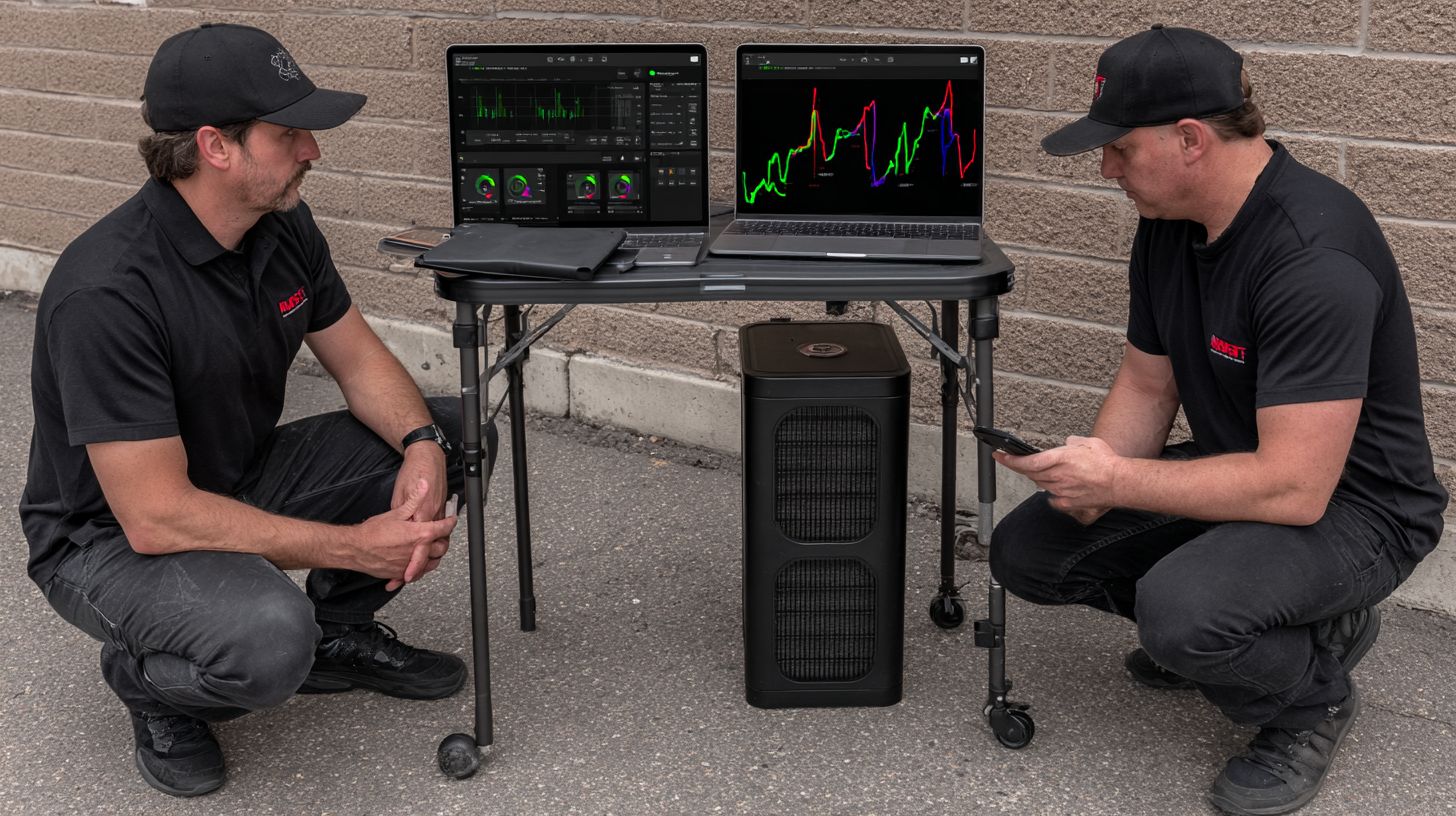
Your website is your digital storefront, and for roofing and HVAC companies, it must be engineered to convert visitors into quote requests. Most homeowners arrive on a phone, often while a problem is actively happening, so slow load times and cluttered menus send them straight to a competitor.
Every page should have one clear job: move the visitor toward a quote form, a phone call, or a booking request. That means prominent contact options, short forms, and a layout that works on any screen size.
Dedicated landing pages outperform a generic homepage for paid traffic. A page built around a specific service, such as AC repair or roof replacement, matches search intent and reduces bounce rate.
Keep forms to a few fields, place a click-to-call button within easy thumb reach, and test the full path on a real phone before launching. Small friction points cost real leads.
Homeowners are cautious when inviting a contractor into their home, so your website must immediately convey credibility and reliability. A visitor who does not see proof of legitimacy within seconds will leave, no matter how good your work is.
The signals that matter most are concrete and verifiable. Display them clearly rather than burying them on an About page.
Placement matters as much as the signals themselves. Put key badges and a review rating above the fold so they appear before any scrolling. Repeat a short testimonial or certification badge near every quote form and call button.
Visual proof works harder than text. Before-and-after galleries show real completed jobs, and a brief video introduction lets homeowners see and hear the people who may show up at their door. These elements lower bounce rate and make the decision to reach out feel safer.
Keep trust content current. Expired certifications, stale reviews, or outdated photos undermine the credibility you are trying to build, so schedule regular reviews of every trust element on your site.
Paid campaigns can deliver immediate leads, but for roofing and HVAC, the focus must be on quality over quantity. When a homeowner has a leaking roof or a broken furnace, they search with urgency and often click the first credible result they see.
Paid search through Google Ads and local service ads puts a roofing company or HVAC contractor in front of that searcher at the exact moment of need. Social media marketing reaches homeowners earlier, building recognition before a problem strikes.
What makes these channels effective for the trades is precision. Geo-targeting keeps budgets focused on service areas, while intent-based targeting through keyword research connects ads to people actively seeking repairs, replacements, or maintenance.
Paid traffic works best alongside search engine optimization and local SEO. Organic rankings and a well-maintained Google Business Profile build lasting visibility, while paid campaigns fill the gaps during slow seasons or in competitive markets.
A hundred unqualified leads waste time and money, while ten qualified leads can fill your schedule, so optimize for quality. The goal of any pay-per-click advertising effort is booked jobs, not raw form submissions.
In Google Ads, negative keywords are one of the simplest filters. Adding terms like “DIY,” “how to fix,” “free,” or “rental” keeps budget away from searchers who will never hire a contractor.
Ad copy itself can pre-qualify. Phrases such as “financing available,” “emergency service,” or “licensed and insured” attract serious buyers and discourage casual browsers.
For social media marketing, targeting homeowners in specific neighborhoods with interests in home improvement tends to outperform broad reach campaigns. A short list of practical filters includes:
Call tracking reveals which campaigns actually produce phone calls and booked appointments. Pairing that data with a customer relationship management system shows the full path from click to signed estimate.
Tracking lead sources and conversion rates is essential to refine campaigns over time. Reviewing which keywords, ads, and audiences drive revenue, not just clicks, lets a roofing company or HVAC contractor shift budget toward what works and cut what does not.
Without proper tracking, you’re guessing which marketing efforts actually bring in revenue. A roofing or HVAC company might generate plenty of clicks, calls, and form fills, yet still have no clear picture of which channel produced the job that paid the invoice.
Tracking the full journey, from first click to booked appointment, closes that gap. It connects spend on pay-per-click advertising, local SEO, and social media marketing to actual revenue.
This matters because many leads arrive by phone rather than through a website form. A homeowner with a leaking roof or a failed furnace often calls instead of typing out a request. If those calls go untracked, a large share of lead generation activity becomes invisible.
Accurate tracking is the foundation of data-driven decisions. Without it, budget shifts and conversion rate optimization efforts rest on assumption rather than evidence.
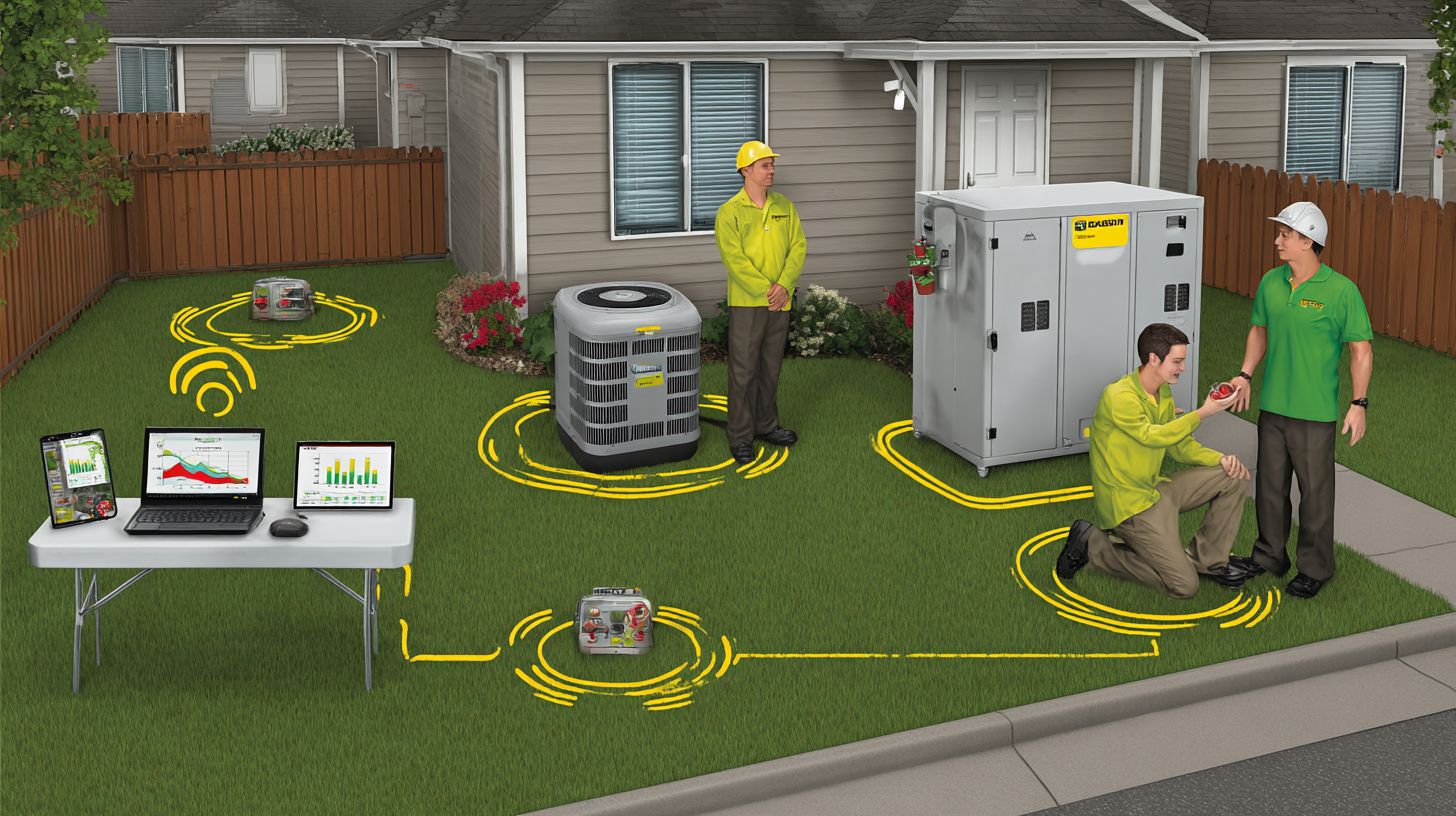
Implementing call tracking numbers for each marketing channel reveals which campaigns generate phone leads. Dynamic number insertion takes this further by swapping the displayed number based on how a visitor arrived, so a call from a Google Ads click is attributed to that campaign rather than lumped into a single untraceable pool.
Form tracking works alongside call tracking. Tagging form submissions with UTM parameters captures the source, medium, and campaign behind each enquiry. That data flows into a customer relationship management platform, where every lead carries its origin from the moment it arrives.
Once leads are captured, follow-up speed and structure determine how many convert:
Speed-to-lead is critical. Contacting a prospect quickly after their enquiry tends to improve the odds of conversion, while longer delays let interest cool. For urgent trades like roofing and HVAC, where homeowners often contact several companies at once, the first responder frequently wins the job.
Not every lead is ready to book immediately. Some are gathering quotes, waiting on insurance, or planning a replacement months out. Marketing automation keeps those prospects warm through scheduled email sequences, seasonal reminders, and check-in messages, so they resurface when the need becomes urgent.
Together, call tracking, form attribution, and structured follow-up turn scattered enquiries into a measurable pipeline. Each booked job can then be traced back to the campaign that earned it, giving roofing companies and HVAC contractors the evidence needed to invest where it counts.
For Ottawa roofing and HVAC companies, a structured audit can uncover gaps and opportunities in your current marketing. Most service businesses run a website, a Google Business Profile, some paid ads, and maybe a social presence, but rarely review how those pieces work together.
A growth audit is a practical review of that whole ecosystem. It looks at how customers find you, what they see when they arrive, and whether your follow-up keeps them moving forward.
The result is a clear picture of what is working, what is not, and where to focus next. It gives you a roadmap rather than guesswork, so every change you make has a reason behind it.
For roofing and HVAC contractors in Ottawa, this matters because demand is seasonal and competition for local searches is steady. An evidence-led audit replaces assumptions with documented findings, which sets up the specific review process covered below.
Ivory Circuit’s Growth Audit examines your visibility, website, campaigns, and enquiry paths to identify the next defensible action. It connects website, local visibility, campaigns, measurement, and follow-up into one review and documents practical questions, assumptions, and next steps.
The review covers several connected areas:
It is tailored to Ottawa service businesses, including roofing and HVAC, and reviews the pages, campaigns, and records a business can share across the channels it uses.
What the audit does not promise is equally important. It does not guarantee rankings, traffic, enquiries, bookings, revenue, return on investment, or another particular business outcome. The focus stays on evidence-led recommendations you can act on.
If you want a documented review of your visibility, website, campaigns, and enquiry paths, contact Ivory Circuit to discuss a Growth Audit for your Ottawa roofing or HVAC business.
Word of mouth still matters, but homeowners now check a company online before they call – so your website, local visibility, and reviews often decide whether a referral turns into a booked job. Ivory Circuit focuses on service businesses and reviews the journey from discovery to contact, connecting your website, local visibility, campaigns, measurement, and follow-up into one picture. That helps you see where potential customers drop off before they ever reach you.
The Growth Audit is a practical review of visibility, website, campaigns, and enquiry paths. Rather than looking at each piece in isolation, it connects website, local visibility, campaigns, measurement, and follow-up into one review, based on the pages, campaigns, and records your business can share. It’s a useful starting point if you’re not sure whether your problem is traffic, your site, or how enquiries are handled.
No – and the agency says so directly. Ivory Circuit does not guarantee rankings, enquiries, bookings, revenue, or platform approval, and positions itself as evidence-led, focused on the next defensible action rather than marketing promises. For roofing and HVAC companies, that means recommendations grounded in what your accounts and website data actually show, not hype.
Ivory Circuit does not publish specific prices or plan tiers on its site. The site instead notes that a Growth Audit can help identify public-information, channel, contact-route, and measurement questions that shape scope and pricing. If budget is your first question, reaching out by email or the website form is the most direct way to get clarity.
The agency’s work is informed by more than four years of performance-marketing experience across Meta, Google, and LinkedIn advertising, along with technical SEO, WordPress, landing-page review, and marketing automation. Ivory Circuit also publishes Home Services Marketing Articles on its blog, alongside categories for med spa and dental marketing. It works with Ottawa service businesses, including home-services companies.
Ivory Circuit describes itself as an Ottawa digital marketing agency and focuses on Ottawa service businesses, including home-services businesses, med spas, dental practices, and established law firms. Its stated focus is service businesses where clear public information and a defined contact route matter. If you’re outside Ottawa, it’s worth asking directly whether your business is a fit.
You can email contact@ivorycircuit.com or use the form on the website, which asks for your first name, last name, email, and what you’d like reviewed. The site advises not to include patient, client, financial, or other sensitive information in your message. From there, a Growth Audit is the typical first step to identify what deserves attention.