

MED SPA MARKETING AGENCY
Med Spa Marketing Agency for Clinics Across North America
Fill your consultation calendar with patients who are ready to take the next step — wherever your clinic is.
Ivory Circuit is a med spa marketing agency based in Ottawa, Canada, working remotely with medical spa and aesthetic clinics across Canada and the United States. We run local SEO, Google Business Profile work, Google Ads, and Meta Ads for med spas, and we improve the booking path so qualified enquiries have a clearer route to consultation. Your patients are local; your agency does not have to be. What has to be local is the aim of the work: your profile, your treatment pages, and your booking path, all pointed at the searches your own community makes. A clinic that appears in the map pack but sends searchers to a vague treatment page loses the enquiry, and a beautiful page nobody finds books nobody — in every market on the continent.
Book a free clinic audit Explore practical guides
We work from approved services, clinic capacity, enquiry processes, and the records available to make decisions. What follows is how a prospective patient actually finds and chooses a clinic, the three leaks where booking revenue quietly escapes, and the work that fixes them — the same work we do for clinics in our home market of Ottawa, delivered remotely into yours.
From search to booked consultation
01 — Get found. Local information and service relevance: your Google Business Profile, your treatment pages, and your local signals decide whether a searcher ever sees your clinic’s name.
02 — Build confidence. Clear treatment and consultation information: what a service involves, who it suits, what happens at a consultation, and what it costs to ask.
03 — Get booked. An appropriate request route and follow-up: a booking path that works on a phone, a form that asks for proportionate information, and a named owner for responding — quickly — when a request comes in.
Prices published — no quote games on our product packages | Free first — Growth Audit, calculators and Starter Kit cost nothing | One specialist vertical — med spas are one of only six industries we serve | No guarantees promised — we show the work instead | Based in Ottawa — working remotely across Canada and the US
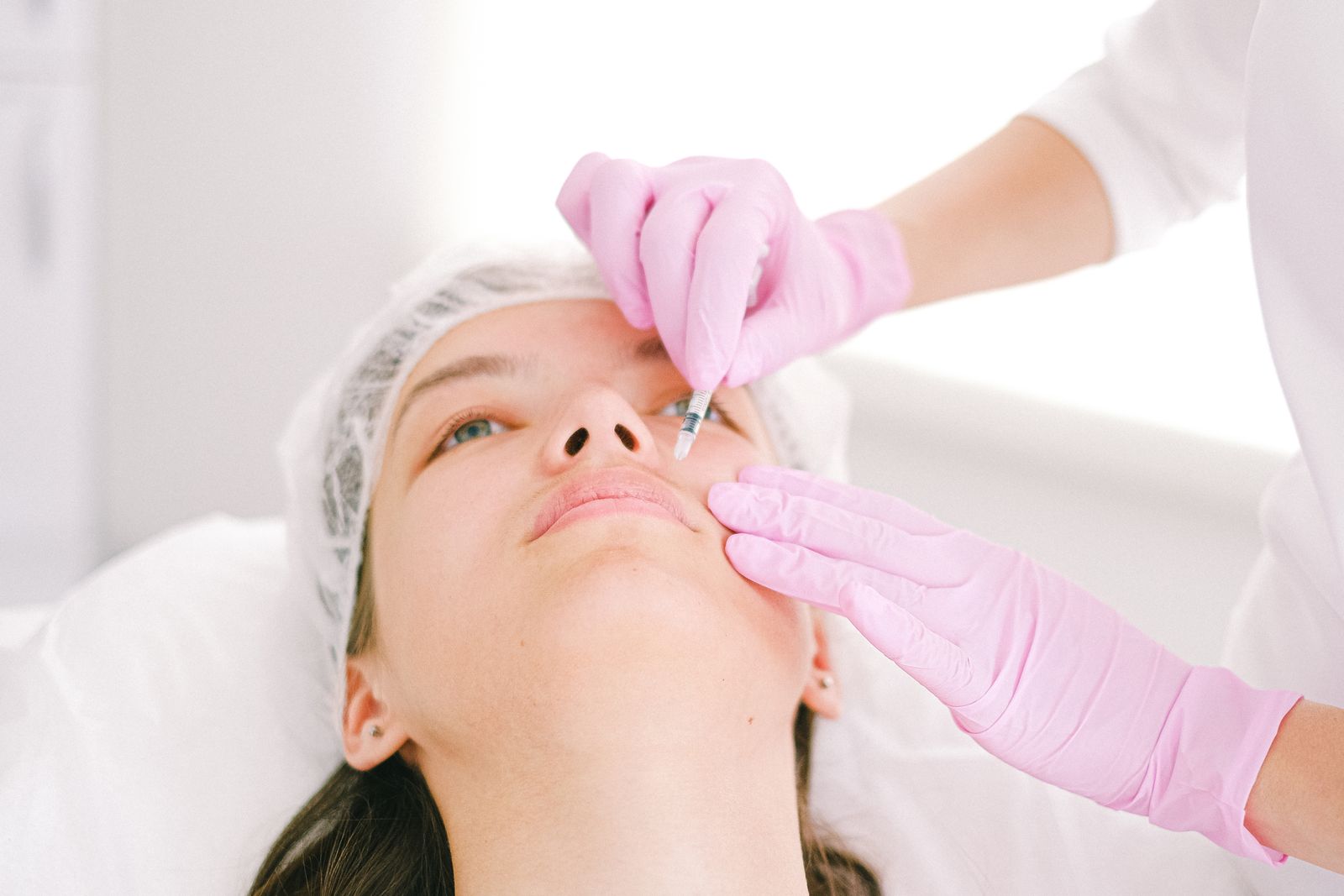
Fill the consultation calendar: the path in three stages
01 — Get found. Local information and service relevance: your Google Business Profile, your treatment pages, and your local signals decide whether a searcher ever sees your clinic’s name. This is won market by market — yours, specifically, not a national average.
02 — Build confidence. Clear treatment and consultation information: what a service involves, who it suits, what happens at a consultation, and what it costs to ask. Prospective patients compare several clinics; the one that answers their questions most clearly earns the enquiry.
03 — Get booked. An appropriate request route and follow-up: a booking path that works on a phone, a form that asks for proportionate information, and a named owner for responding — quickly — when a request comes in.
Most clinics we review are strong in one stage and leaking in another. The review exists to find out which, before budget is spent fixing the wrong stage.
The searches that decide who gets booked
Treatment-name searches — “Botox near me,” “laser hair removal [your city],” “microneedling near me.” The searcher knows the treatment and is comparing providers. These searches should land on a dedicated treatment page with accurate, clinic-approved information and a clear consultation route — not on a generic services page that mentions everything and answers nothing.
Discovery searches — “med spa near me,” “best med spa [your city],” “medical spa near me.” The searcher is building a shortlist, mostly inside Google Maps. The map pack, your review presence, your photos, and your profile completeness decide whether you are on it. A remote agency does not weaken this work — profiles, categories, photos, and pages are managed digitally, and the ranking factors are the same ones we manage for Ottawa clinics from the same desk.
Question searches — what a treatment involves, what it costs, whether ads for it are even allowed. These readers are weeks from booking, but they remember the clinic that answered honestly. Our most-read article answers one of them directly: whether you can advertise Botox on Instagram, in plain language. A marketing plan that treats all three searches as one audience wastes money on all of them. The pages, profiles, and campaigns are built separately for each stage, then connected.
Clinics feel the same forces from the other side: searches like “med spa marketing agency” and “marketing for medical spas” are how owners look for help, across the whole continent. The demand is real on both sides of the search box. The work is making your clinic the answer on the patient side — and this page is how you found the agency side of it.
The challenges specific to med spa marketing
Advertising rules shape the creative. Health and aesthetics advertising is reviewed — by regulators, by professional expectations, and by the ad platforms themselves — in every Canadian province and US state, and the details differ between jurisdictions. Treatment claims, before-and-after content, and testimonials all carry requirements and approval responsibilities that remain the clinic’s. Marketing that ignores this gets ads rejected, accounts flagged, and clinics exposed. Our work uses clinic-approved services, claims, and creative, in general compliance-aware wording, and we will tell you when a claim needs the clinic’s own professional judgement rather than a marketer’s enthusiasm. Ivory Circuit provides marketing services, not medical, legal, or regulatory advice.
Reviews are a competitive weapon — and a slow one. In the map pack, the clinic with a steady flow of recent, genuine reviews usually beats the clinic with a higher lifetime count that stopped growing last year. Review presence is an operations habit, not a campaign: a proportionate ask, at the right moment, answered consistently — including to criticism. It cannot be bought, gated, or rushed without creating exactly the compliance and trust problems this industry cannot afford.
The booking path leaks quietly. Forms that ask for a full history before a first conversation. Consultation requests that land in an inbox nobody owns until Monday. Enquiries that arrive during treatment hours and get answered after the searcher has booked elsewhere. None of this shows up in an ad report — it shows up in the gap between clicks and consultations, which is why we review the response and the form alongside visibility.
Capacity cuts both ways. A clinic with a three-week waitlist does not need more demand for the same treatment; it needs demand shaped toward available rooms, practitioners, and higher-value services. Marketing planned without capacity produces disappointed searchers and burned budget. Marketing planned with it fills the calendar the clinic actually has.
The three leaks we audit first
Every med spa engagement we run starts with the same three measurements, because in market after market they account for more recoverable revenue than any media budget increase. They are cheap to capture, comparable against the clinics holding your local pack, and each one maps to a fix with a known scope.
Review velocity — new reviews per month, not total review count. Recency is what local ranking rewards and what a patient reading two profiles at night actually weighs. A large count collected over years and now growing slowly is structurally weaker than a smaller count growing steadily. The audit pulls twelve months of review timestamps from your Google Business Profile, computes the monthly rate, and runs the same measurement against the clinics currently holding the local pack for your primary treatment term. Category completeness compounds the effect: a profile listing only “Medical spa” will not surface for treatment-specific searches the way a complete profile does, and the categories cost nothing to add. The fix is a request timed to the moment the patient first sees the result, with a reasonable follow-up cadence — not a discount code or a checkout gimmick.
Visual friction — anything on the landing page that forces a micro-decision before the primary action. The recurring offenders are consistent across clinics: a hero with no clear headline, a price list placed above the fold, imagery that does not resemble the clinic’s actual patients, navigation that collapses into dropdowns on mobile, and a banner that covers the booking button on a phone screen. The audit is a five-second test on the mobile hero: what does the business do, who is it for, and what should the visitor do next? If any answer is missing, the hero is costing money — and the technical layer underneath it (heavy hero media slowing the page) is measurable in Search Console. The fix is structural: one primary action above the fold, treatment-specific landing pages, and a headline that names the treatment in plain language.
Response lag — the elapsed time between an enquiry arriving and the first human reply. It is the cheapest leak to measure and the most expensive to ignore, because it destroys demand the clinic already paid for. Enquiries answered the next morning — or after a weekend — are usually enquiries lost: the patient has booked elsewhere or lost intent. The audit timestamps a sample of recent enquiries and looks at both the typical reply time and the slowest tail, because the tail is where the revenue is: the request that arrived on a Saturday evening. After-hours coverage is the usual root cause, and the fix is routing, not effort — every enquiry assigned to a named person, acknowledged within minutes, with a first reply that offers two specific consultation times rather than asking the patient to find one. Specificity converts; open-ended availability does not.
What we review and do for med spas across North America
The first step is a focused review of the clinic’s current path — a Growth Audit. From there, we prioritise the pages, profiles, campaigns, and handoffs that deserve attention first, in the same scope we run in our home market.
Local SEO and Google Business Profile
Categories, services, treatment photos, Q&A, reviews, and local landing pages, kept consistent with your website and your directories. This is the foundation of map-pack visibility in your market: Google promotes businesses whose information is complete, current, and corroborated. Nothing about this work requires the agency to share your street; it requires the agency to know your market’s searches, your competitors’ profiles, and your clinic’s approved services — all three are research and records, not geography.
Treatment and service pages
Useful treatment and consultation information built around the questions a prospective patient can reasonably ask before contacting a clinic: what the service is, who it is generally suited to, what a consultation covers, and what the next step is. Pages are written from clinic-approved information — no invented claims, no outcome promises — and structured so each treatment search lands on its own answer. These pages are also where website design earns its keep: structure, clarity, and a booking route a patient can complete on a phone.
Google Ads: high-intent search, carefully matched
Search campaigns for the moments someone is actively looking — treatment terms, clinic comparisons, local searches — with approved creative, relevant destinations, and source tracking that distinguishes a click from a consultation request. Paid search fails clinics most often at the destination, not the ad, which is why our Google Ads work starts with the page the click lands on. Paid search is also where a med spa buys immediate presence while SEO builds; the two are planned together, with budget paced against the clinic’s real capacity.
Meta Ads: discovery, within the platform’s rules
Facebook and Instagram create demand among people who were not searching yet — which makes them powerful for med spas and tightly governed where health, beauty, and personal attributes are concerned. Audience design, creative that the platform will actually approve, and careful retargeting controls all matter, and the platform rules sit on top of the advertising requirements of the clinic’s own jurisdiction. Discovery spend only earns its place once the booking path can absorb it — which is why we review the path before recommending more of it.
The booking path: where consultations are won or lost
Mobile usability, form length, call handling, response ownership, and the route from enquiry to consultation. This is conversion work applied to the journey that matters: reduce mobile friction, keep forms proportionate, clarify handoffs, and connect campaign sources to enquiries without sending sensitive patient information into marketing tools. When the path improves, every channel feeding it performs better. Where the front desk is the leak — enquiries ringing out during treatment hours, follow-up that waits until morning — our AI front-desk packages for med spas (an AI receptionist layer that answers, acknowledges, and follows up) sit on top of this work as an add-on, with their published prices on their own page; the marketing foundations come first.
Staying in touch: social and email
Between searches, a sustainable social media presence keeps the clinic familiar, and consent-aware email keeps past and prospective patients connected to services they have already expressed interest in. Neither replaces search visibility; both raise the return on it.
How the work runs, from Ottawa to your clinic
Everything above is delivered remotely, and the rhythm is deliberate. The Growth Audit and all reporting work from records you can see: your profiles, your pages, your Search Console, your enquiry records. Communication runs on scheduled calls and shared documents in your time zone’s working day — Ottawa sits in the Eastern time zone, within three hours of every clinic in North America, and the working overlap is planned around your clinic’s hours, not ours. What you never get is a claim that we are local to you. What you get instead is an agency whose home market — Ottawa med spa marketing — is where this exact system was built and is publicly documented, page by page and post by post, so you can inspect the work before you ever speak to us.
Planning around the med spa year
Med spa demand is not flat across the year, on either side of the border. January brings resolution-driven enquiries and patients planning the year’s treatments; spring builds toward wedding season and summer; and the weeks before the holidays drive their own treatment questions. The details differ by market and by treatment mix — none of that is a schedule by itself. Your clinic’s own enquiry history is the schedule: which treatments patients asked about, in which months, through which routes. The review reads that history alongside the calendar, so treatment pages are built and indexed before the season that needs them, and campaign weight follows the clinic’s real capacity to see the patients it attracts.
Seasonality also interacts with capacity. A fully booked practitioner in a peak month needs marketing that shapes demand toward available services and future openings, while a quieter month can carry the profile work, treatment-page improvements, and review habits whose payoff lands in the next peak.
What a Growth Audit examines for a med spa
So the process is concrete: the audit reviews your Google Business Profile against your website and directories for consistency; your treatment pages against the searches they should answer and the claims the clinic has approved; your campaigns, if you run them, for destination fit and source tracking; your review presence for recency, rhythm, and response habits; and your booking route — form, calls, and follow-up ownership — for the friction points where enquiries quietly stop. Each finding is separated into what the evidence shows, what we are assuming, and what is worth doing first, and the work is sequenced in that order. You keep that picture whether or not the work continues with us.
That sequencing is the point. A clinic whose profile is incomplete does not need more ad spend; a clinic whose response lag runs overnight does not need more traffic. The audit exists so the first dollar goes to the first problem — and so you can see, in the same records, whether fixing it worked.
Decision-stage guides for clinic owners
- How to plan a med spa marketing budget — what the work actually costs to do properly, and in what order. (Med spa marketing cost in Ottawa)
- What’s a good cost per lead for a med spa? — benchmarks read critically, so you can judge your own numbers. (Cost per lead benchmarks)
- How to evaluate a med spa marketing agency — the questions to ask any agency, including us, before signing anything. (Evaluating a med spa marketing agency)
- Can you advertise Botox on Instagram? — the platform’s rules, explained in plain language. (Botox on Instagram rules)
- Our home-market proof base: med spa marketing in Ottawa — the same system, documented on the market where we built it.
- Ottawa deep-dive: med spa marketing agency in Ottawa.
- The continent-wide cost guide →
- Across Canada? Start with our Canada page →
How we measure med spa marketing
Measurement that respects privacy: useful source-to-enquiry reporting without placing patient information into advertising or analytics systems. In practice we track, with the clinic:
- Visibility — Search Console impressions and positions for treatment, discovery, and local searches, plus map-pack presence for the clinic’s core terms.
- Enquiries — consultation requests by source, so a channel is judged on requests, not clicks, and an enquiry is never confused with a booked consultation.
- Path health — form completion, call handling, and response times: the operational numbers that explain why visibility did or did not become bookings.
- Cost per enquiry — read against the clinic’s own history rather than a benchmark alone, because a benchmark cannot know your capacity, pricing, or service mix.
Progress is reported against the baseline the review establishes. If a channel is not producing enquiries, that shows up in the same report as the wins — and it changes what happens next.
How pricing works
Ivory Circuit does not publish package prices for med spa marketing, because the scope differs by clinic: a single-location clinic with sound pages needs different work from a clinic rebuilding its profile, treatment pages, and booking path at once. Pricing is quoted by scope after the Growth Audit — based on the pages, profile work, campaigns, and path fixes your situation actually needs. The audit comes first so the quote describes your clinic’s work, not a tier in a brochure. (Our productized AI packages are the exception: their prices are published on their own pages, exactly, because a defined product can be.)
FAQs
Q: How long before I see more consultations?
A: For local SEO, plan on roughly 60–90 days before meaningful visibility trends can be judged. Paid campaigns can produce earlier search and enquiry data, often within 2–4 weeks, but the clinic still needs a workable response and booking process for that data to mean anything. Anyone who promises a specific number of consultations by a specific date is guessing with your budget.
Q: Do you work with single-location clinics?
A: Yes. The plan can be scoped for a single clinic, its approved services, local catchment area, capacity, and consultation process. Most of the framework on this page — profile, treatment pages, booking path — matters more, not less, when one location carries the whole business.
Q: We’re not in Canada. Does working with a Canadian agency complicate anything?
A: The work itself is delivered the same way for US and Canadian clinics: remotely, from records and profiles you control, with your jurisdiction’s advertising requirements and your approved claims as the boundary. What we will not do is advise you on your jurisdiction’s rules — that stays with you and your own advisors; our job is to build marketing that works from the information your clinic approves.
Q: Can you run ads for treatments like Botox and fillers?
A: Campaign suitability depends on the approved service, the claims and creative, the destination page, and the rules that apply on each platform and in the clinic’s jurisdiction. We build from clinic-approved information and avoid unsupported promises; where a treatment or claim is not appropriate to advertise, we will say so and put the effort into search visibility and the booking path instead.
Q: What do you need from the clinic to start?
A: Approved services and claims, actual service areas, capacity information, access to relevant profiles and campaigns, and the people responsible for responding to enquiries. Pricing, timelines, and clinic-specific public claims are added only after the owner confirms them. Please do not include patient information in any form or message to us.
Q: How much does med spa marketing cost?
A: There is no honest single figure: cost follows scope — which work is included (profile and local SEO, treatment pages, Google Ads, Meta Ads, booking-path fixes), how many services and areas it must cover, where the clinic is starting from, and how the work is managed over time. That is why the Growth Audit comes before any figure: you should know what your current path produces before anyone asks you to spend more on it.
Q: Do you guarantee more bookings?
A: No, and be cautious of anyone who does. No agency can guarantee consultations, bookings, or rankings, because search engines, ad platforms, competitors, and your own capacity all sit outside any agency’s control. What we commit to is the process: evidence first, the foundations fixed, useful pages built, and reporting that shows enquiries and movement — or plainly shows where they are not happening yet.
Useful services for a stronger consultation path
- Services in depth: Google Ads for med spas →
- Facebook Ads for med spas →
- Services in depth: Med spa website design →
- Services in depth: SEO for med spas →
- SEO
- Google Ads Management
- Meta Ads Management
- Web Design
- Conversion Rate Optimization
Free calculators for med spas
Run the numbers yourself — free, no sign-up:
- Med spa advertising cost calculator — estimate clicks, leads, and cost per lead for your campaigns. (Google Ads cost calculator)
- What a new med spa patient is worth — lifetime value including referrals, on your own numbers. (New patient value calculator)
Start with the current path
Book a clinic audit. Tell us which service, location, campaign, or booking step you want to improve. We will map the next practical step without requiring patient information in the form.
Request a Growth Audit contact@ivorycircuit.com
Ivory Circuit provides marketing services, not medical, legal, or regulatory advice. Treatment claims and advertising must be approved by the clinic. Results vary by market, capacity, and starting point.